Zephalto Altaïr: a balloon ride to 25 km, with first flights sold out until autumn 2027
By Next News Hub Editorial Team · Published · 1 min read
France's Zephalto has unveiled Altaïr, a pressurised capsule for four passengers and a pilot. Six-hour flights to 25 km are planned from late 2027 at €180,000 a seat.
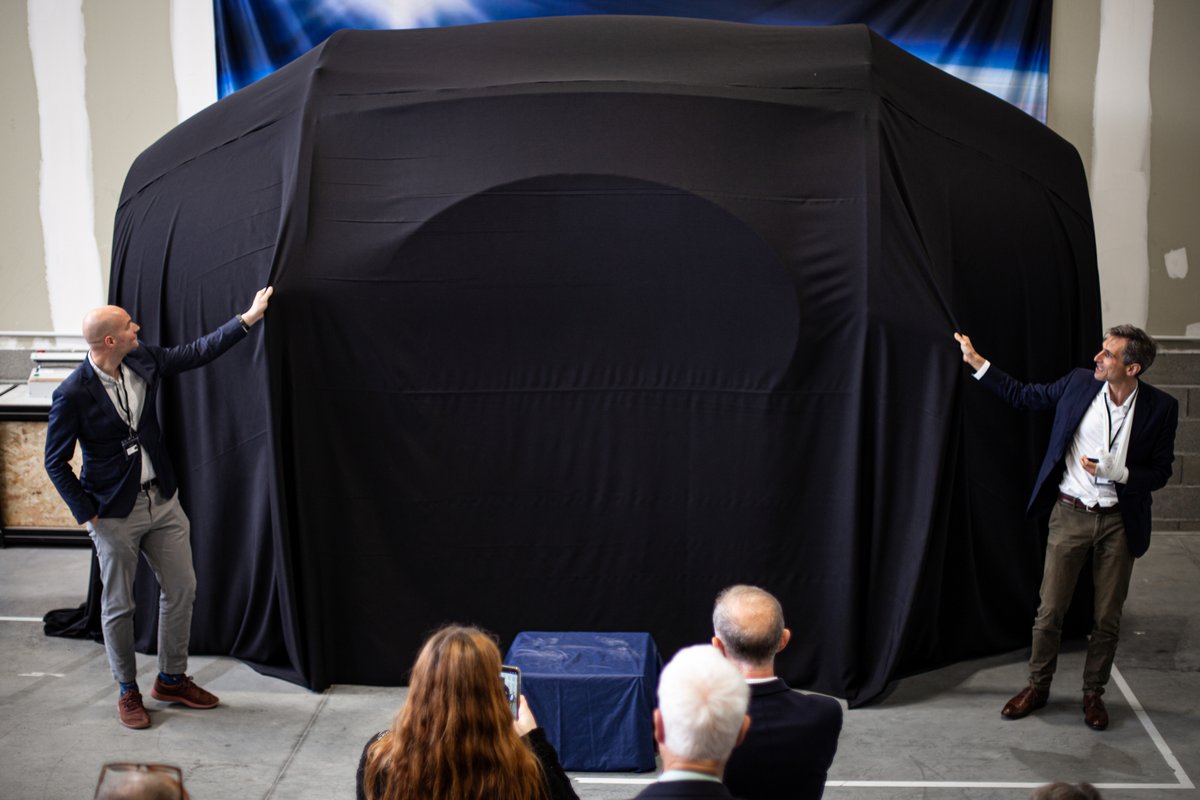
The black sky and the curve of the Earth, without a rocket. On 15 April 2026, in its workshops near Toulouse, French start-up Zephalto unveiled Altaïr, its first commercial stratospheric capsule, which will be lifted by a balloon to 25 kilometres above the ground.
Founder and president Vincent Farret d'Astiès presented the capsule as the end of the prototyping phase and the company's transition into an aerospace manufacturer.
What we know
According to Zephalto's General Terms and Conditions (June 2026), the experience is a six-hour trip to an altitude of 25 km in a pressurised capsule, with a view of more than 1,400 km. Les Echos reports that Altaïr will carry four passengers and a pilot, with three of the six hours spent at the highest point. The carbon-composite capsule is 5.5 metres long and 2.7 metres wide, and was built in Brittany.
The price is €180,000 per seat including taxes and cancellation insurance, a rate applied since November 2025. Booking starts with a €10,000 pre-payment, followed by a €26,000 deposit within 30 days. Zephalto states that the first flights are already sold out until autumn 2027, with the next flight windows available from November 2027.
The company says test flights would begin in summer 2026, and Les Echos dates the first commercial flight to late 2027. Zephalto is supported by the Occitanie Region and the French space agency CNES.
Signals suggest
Zephalto has not publicly updated the progress of its test campaign since the unveiling, so the late-2027 start should be read as a target. Its terms also note that flights depend on weather and can be postponed.
Why it matters
Stratospheric ballooning offers a gentler, slower route to the edge of space than suborbital rockets, with no special training required, according to the company. A European player in this niche widens the choice for future space tourists beyond the U.S. companies that dominate the headlines.
Sources
Get the stories first
Short, sourced news from NEXT NEWS HUB. Occasional emails — unsubscribe any time.