Iwaya Giken: Japan's balloon “space sightseeing” flights aim for paying passengers from 2027
By Next News Hub Editorial Team · Published · 2 min read
Japanese start-up Iwaya Giken plans pressurised-balloon flights to 18–25 km for paying passengers from fiscal 2027, with JAL and JTB as partners. Sign-up details are still pending.
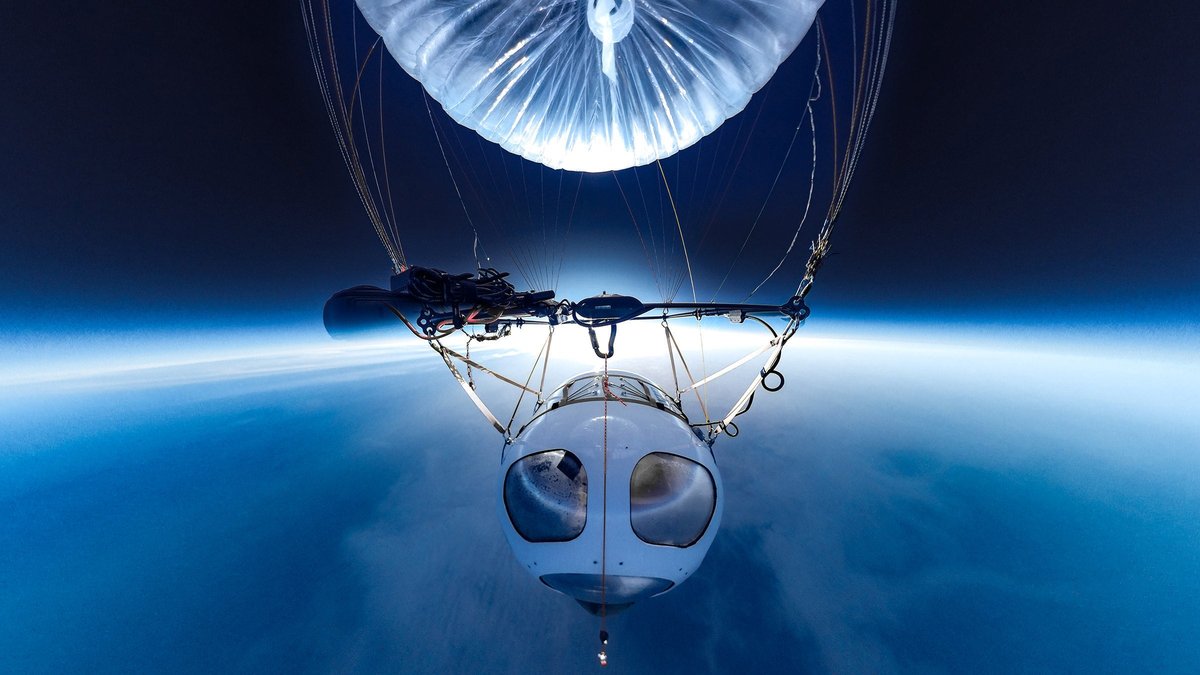
You may not need a rocket to see the curve of the Earth against a black sky. Iwaya Giken, a start-up based in Hokkaido, plans to fly paying passengers into the stratosphere under a high-altitude gas balloon, in what it calls “space sightseeing flights”. According to the company, the first passenger flights are planned from Japan's fiscal year 2027.
What we know
On 28 April 2026, at the SusHi Tech Tokyo conference, Iwaya Giken launched a new call for co-creators of its OPEN UNIVERSE PROJECT. It opened recruitment for the pilots who will fly its self-developed balloons commercially and named Japan Airlines and travel group JTB as co-creation partners. The company said it would recruit passengers for flights from fiscal 2027 onwards.
The company says its balloon and pressurised cabin will fly at 18,000 to 25,000 metres, high enough to see the blue Earth below and the darkness above, with no spacesuit or special training required. Japanese media, including Nikkei, reported the same day that commercial operations would start in summer 2027 or later. Its first commercial capsule is named Kazabune, and in July 2024 a crewed test flight reached 20,816 metres.
Passenger sign-up has not opened yet. The company had promised details around August 2026, but a project notice on 31 August said the method and schedule were still being studied. Prices for the next sale have not been announced.
Is it really space?
No, and it is worth being clear. At 18 to 25 km, the balloon stays in the stratosphere, well below the 80 to 100 km usually used as the edge of space, and passengers do not float in microgravity. What it offers is the view: the curvature of the Earth and a near-black sky, without a rocket launch.
Signals suggest
Iwaya Giken is not alone. In Europe, France's Zephalto plans six-hour stratospheric flights to 25 km at €180,000 per person, with EASA certification under way. With airline and travel-industry partners on board, Japan's version looks positioned as a premium travel product rather than a science mission, but launch timing and pricing remain unconfirmed.
Why it matters
Balloon flights could become the most accessible form of “space tourism”: gentle, with no special training, and potentially cheaper over time than suborbital rockets. 2027 will show whether the model can work commercially.
Next News Hub will update this story when passenger sign-up opens.
Sources
Get the stories first
Short, sourced news from NEXT NEWS HUB. Occasional emails — unsubscribe any time.