HALO Space targets late 2027 for the first crewed flights of its Aurora balloon capsule
By Next News Hub Editorial Team · Published · 2 min read
Spanish-American HALO Space says crewed test flights of Aurora, its pressurised near-space capsule lifted by a stratospheric balloon, are targeted for late 2027, after a 2026-2027 test campaign.
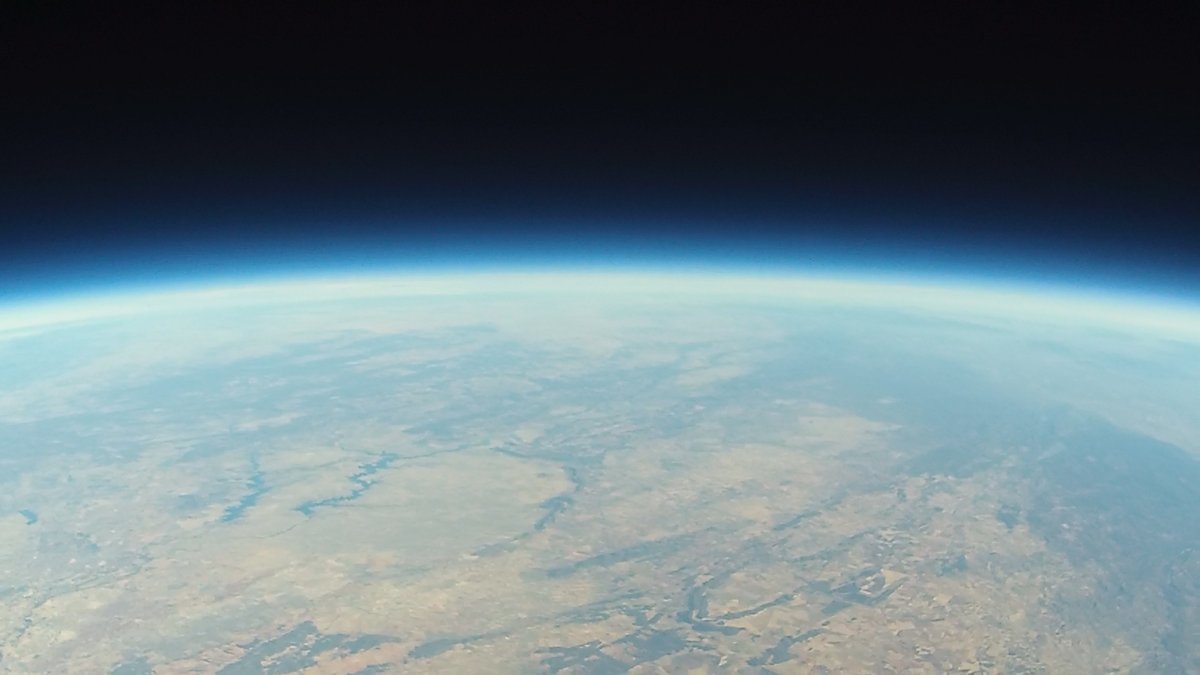
Another near-space tourism company has put a year on its first crewed flights. HALO Space, with offices in Madrid and Sarasota, Florida, says crewed test flights of its Aurora capsule are "targeted for late 2027, subject to technical readiness and regulatory approvals".
What we know
Aurora is a pressurised capsule carried by a stratospheric balloon. HALO Space says the capsule rotates slowly to share the views and has a window of about 30 square feet, which it calls one of the largest in the space tourism industry. It describes the method as zero-emission.
The company describes a test flight programme of up to 20 flights, designed to validate the system step by step. The first took place in December 2022 in Hyderabad, India, with the Tata Institute of Fundamental Research, when the in-line safety parachute deployed at 37 km and the full-scale capsule flew stably. Four more tests followed in 2023 in California's Mojave Desert, focused on descent and landing, using a helicopter at 2,600 metres.
The 2026-2027 campaign (test flights 07 to 10), in Saudi Arabia and the United States, covers life support and the pressurised capsule. Later phases will test landing gear, HVAC, computing and life-support systems under pressure, including simulated failures. The company says an issue found in one test has been resolved and the next test flight is targeted for late 2026.
HALO Space also reports a setback openly: an incident during testing involved equipment used only for uncrewed test flights, and it says the issue has already been resolved, presenting it as evidence of why the test programme exists.
Can you book?
Not yet. HALO Space runs a free virtual waitlist and says it will notify members when bookings open; it has not published a ticket price.
Signals suggest
Our inference: the late-2027 target depends on a test campaign that is still running and on regulatory approval, so it should be read as a goal rather than a date. Balloon-based "near space" flights reach the stratosphere, not space as defined by the 100 km Kármán line.
Sources
Get the stories first
Short, sourced news from NEXT NEWS HUB. Occasional emails — unsubscribe any time.