Europa Clipper comes home: NASA's Jupiter probe swings past Earth in December
By Next News Hub Editorial Team · Published · 1 min read
NASA's Europa Clipper, launched in October 2024, will fly about 2,000 miles (3,200 km) from Earth in December 2026. With the earlier Mars flyby, this gravity assist gives it the energy to reach Jupiter in April 2030.
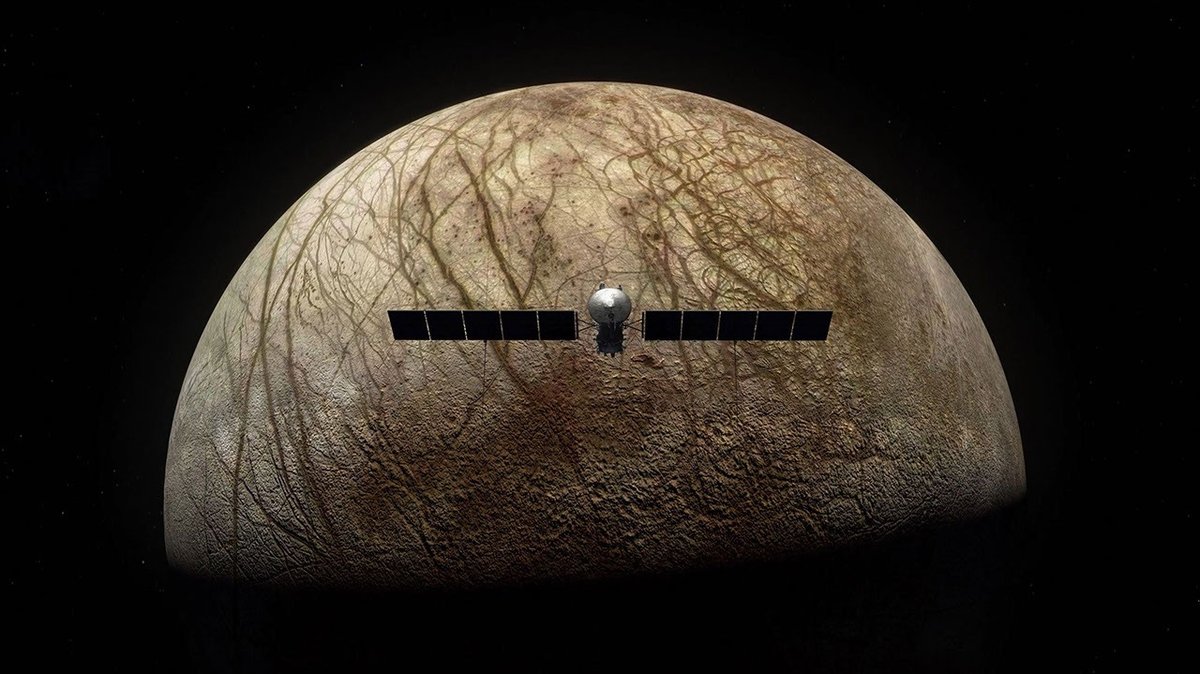
Two years after leaving Earth, NASA's largest planetary spacecraft is about to pass by home again. In December 2026 Europa Clipper will make its Earth flyby, its second and final planetary gravity assist on the way to Jupiter.
What we know
According to NASA's mission timeline, the spacecraft will swing about 2,000 miles (3,200 kilometres) from Earth. "This flyby, along with the earlier Mars flyby, gives the spacecraft enough energy to reach Jupiter," NASA says.
Europa Clipper launched on a SpaceX Falcon Heavy from Kennedy Space Center on 14 October 2024. On 1 March 2025 it flew about 550 miles (884 km) above Mars, the first gravity assist that bent its trajectory toward the outer Solar System.
After December, the next big moment is Jupiter orbit insertion in April 2030. The spacecraft will use its engines as brakes for about six hours, which NASA calls "unusually long for a space probe", and will fly by Jupiter's moon Ganymede during the manoeuvre. Its first flyby of Europa is planned for spring 2031, and the first science campaign starts in May 2031, with closest approaches as low as about 16 miles (25 km) above the surface. In total it will make nearly 50 flybys of Europa.
Why it matters
The mission's goal is to determine whether there are places below Europa's icy surface that could support life. Scientists think the moon hides a global ocean of salty water under its ice shell. When fully assembled, Europa Clipper is larger than an SUV, with solar arrays long enough to span a basketball court.
Signals suggest
Our inference: close Earth flybys are often used to calibrate instruments by pointing them at a well-known target, and NASA may share images or data from the encounter. The agency has not yet announced a detailed observation plan or exact time for the closest approach, so watch NASA's mission pages in the coming weeks.
Key dates
- 14 October 2024: launch.
- 1 March 2025: Mars flyby.
- December 2026: Earth flyby.
- April 2030: Jupiter orbit insertion.
- Spring 2031: first Europa flyby.
Sources
Get the stories first
Short, sourced news from NEXT NEWS HUB. Occasional emails — unsubscribe any time.