EOS-X Space absorbs Space Perspective and plans European balloon flights from Spain in 2027
By Next News Hub Editorial Team · Published · 1 min read
EOS-X Space has acquired and integrated Space Perspective, inheriting more than $140 million of technology. Its next commercial flights will use the Space Perspective capsule from Florida, with European operations from Spain planned from 2027.
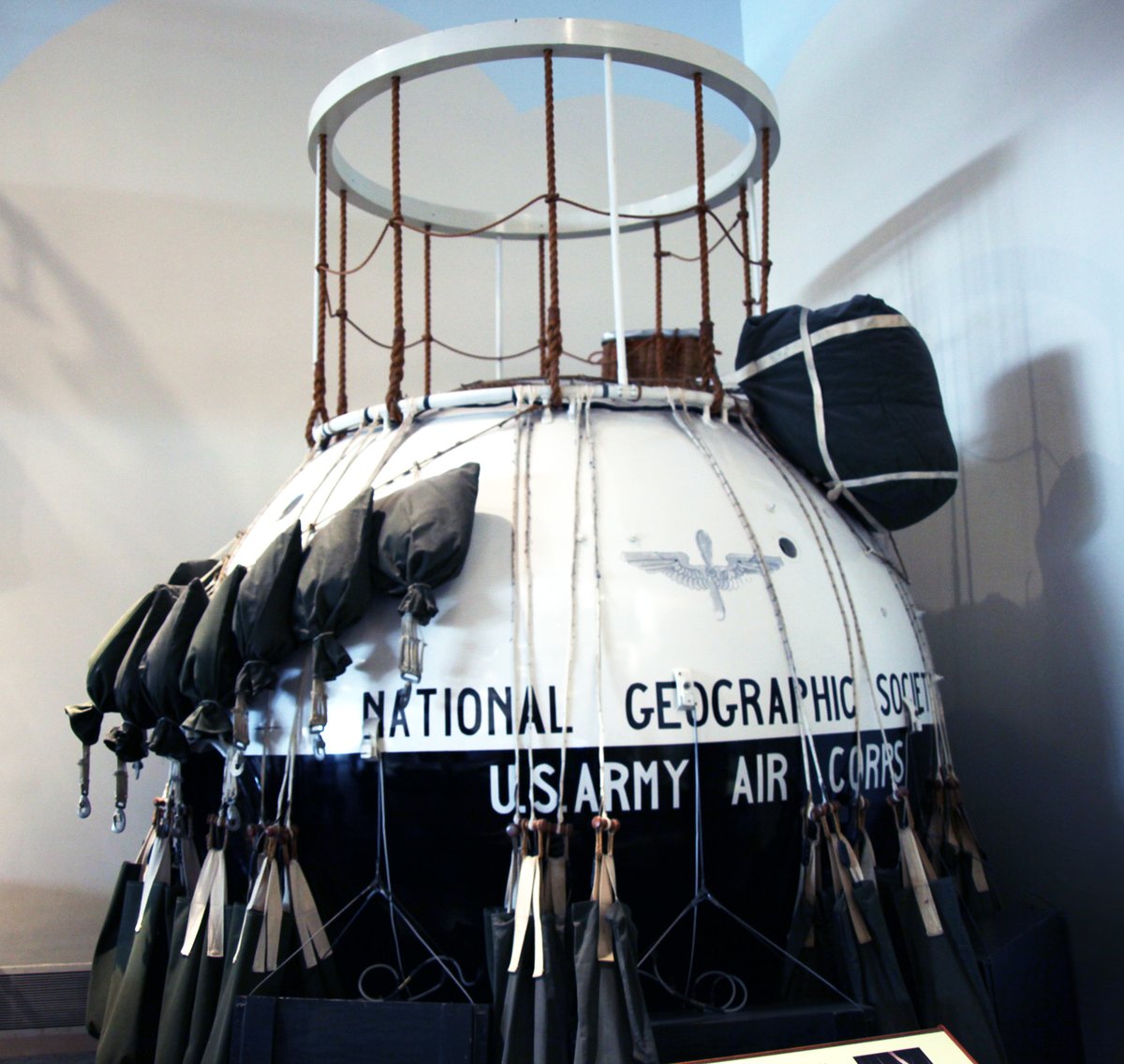
The near-space tourism market is consolidating. EOS-X Space says it has acquired and integrated Space Perspective, the Florida start-up that developed the Spaceship Neptune pressurised capsule lifted by a stratospheric balloon.
What we know
In an interview with the Spanish trade outlet Actualidad Aeroespacial, published on 3 July 2026, CEO Kemel Kharbachi said the deal brings EOS-X more than $140 million in accumulated technology development. The company's core operations are on Florida's Space Coast, with an office in New York and Abu Dhabi as a partner.
According to Kharbachi, EOS-X's next commercial flights will use the Space Perspective capsule and will depart from Florida. From 2027 the company plans European operations from Spain, using sea platforms it calls "Marine Spaceports". He also referred to an internal revenue target of more than $500 million, without giving a timeline in the published interview.
The headline of the interview sums up his thesis: the next decade, he argues, will be dominated by those who control the platforms operating between Earth and space.
Context
Space Perspective had developed its capsule and a launch-from-sea concept in Florida. Balloon-based flights of this kind rise to the stratosphere, about 30 km up, where passengers can see the curvature of the Earth and the darkness of space, but they do not reach space as defined by the 100 km Kármán line. Competitors include HALO Space, which targets late 2027 for crewed flights of its Aurora capsule.
Signals suggest
Our inference: buying a tested capsule design is a faster route to service than building one from scratch, which may explain the confident 2027 date for Europe. No first-flight date, ticket price or regulatory approval for crewed commercial flights from Florida or Spain has been published, so the timeline should be read as a plan.
Key dates
- 3 July 2026: interview published.
- 2027: planned start of European operations from Spain.
Sources
Get the stories first
Short, sourced news from NEXT NEWS HUB. Occasional emails — unsubscribe any time.