A Christmas Eve supermoon: on 24 December the full Moon comes closer than at any time since 2018
By Next News Hub Editorial Team · Published · 2 min read
December's Cold Moon peaks on 24 December at 356,740 km from Earth, the closest full Moon of 2026 and the nearest since January 2018. It opens a run of three supermoons.
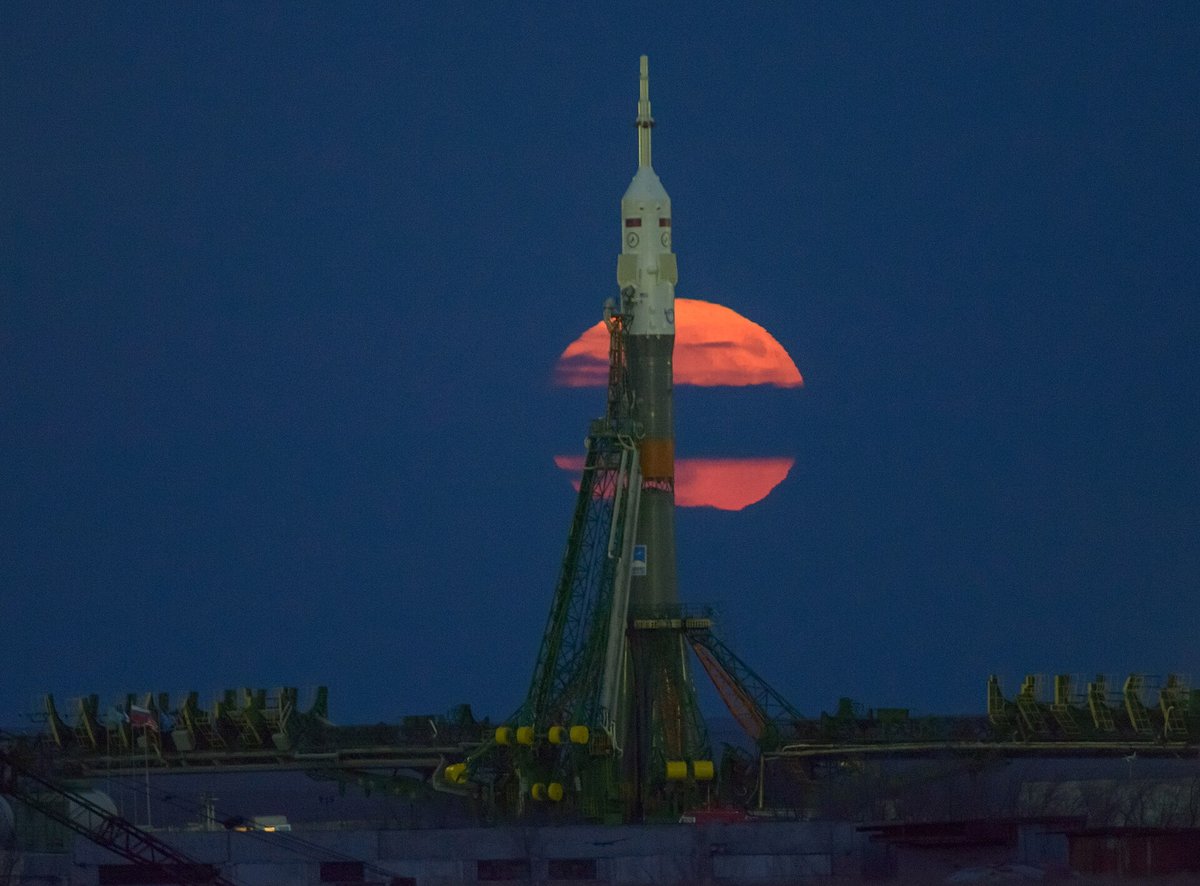
This year the biggest Moon of the year arrives with the presents. The full Moon of December, the Cold Moon, reaches peak fullness at 01:28 UTC on 24 December 2026 (02:28 in Rome), so it will look full on the evening of 23 December and again as it rises on Christmas Eve. NASA lists it among the year's supermoons, and it is the closest of them all.
The numbers behind the "biggest" Moon
At full phase the Moon will be about 356,740 km from Earth's centre. According to the tables of the late astronomer Fred Espenak, as reported by Live Science, that makes it the closest full Moon of 2026 and the nearest since 2 January 2018. BBC Sky at Night Magazine, also citing Espenak, puts lunar perigee, the Moon's closest point to Earth, at about 08:30 UTC on the same morning, just hours after full phase.
What will you actually see? AstroTools calculates that the December Moon will appear about 8% wider than an average full Moon and around 14% wider than the smallest full Moon of the year. That is real, but subtle: the most dramatic view comes at moonrise, when the disc sits low behind trees, rooftops or mountains.
“December's full Cold Moon will be the closest, biggest and brightest full moon of 2026.”
Three supermoons in a row
Christmas Eve is the middle act of a sequence. The first is today, 24 November, with the Beaver Moon (full at 14:54 UTC, 360,768 km away). The last is the Wolf Moon of 22 January 2027, at 357,644 km, according to the figures published by Live Science. December's is the closest of the three.
The December full Moon is also, as Night Sky Today notes, the highest-riding full Moon of the year for the Northern Hemisphere, standing opposite the low winter Sun. That means a long night under bright moonlight across Europe and North America.
How to enjoy it
No equipment is needed. Check the local moonrise time for 23 and 24 December, find an open eastern horizon and be outside in the minutes after the Moon clears it. Photographers will want a foreground (a skyline, a church tower, a tree) and a long lens to exaggerate the size.
A full Moon on Christmas Eve is rare enough on its own; one that is also the year's closest is a gift. Signals suggest it will be one of the most photographed sky events of the holiday season, and, unlike an eclipse, nobody needs to travel to see it. The only variable is the weather.
Sources
Get the stories first
Short, sourced news from NEXT NEWS HUB. Occasional emails — unsubscribe any time.